Mariam Abdelmalak's Blog: كيف تكون مدرس رياضيات فعالا: من "سلبية" إلى التعلم النشط مازال معظم معلمي الرياضيات يستخدمون استراتيجية "الطباشير والحديث"، في حين يستمرالمتعلم...
Tuesday, March 31, 2015

كيف تكون مدرس رياضيات فعالا
من "سلبية" إلى التعلم النشط
مازال معظم معلمي الرياضيات يستخدمون استراتيجية "الطباشير والحديث"، في حين يستمرالمتعلمين في الاعتماد على استراتيجيات التعلم السلبي .بالنسبة لهؤلاء المتعلمين، اصبحت الرياضيات مجرد شئ يؤدى لهم بدلا من أن تكون شئ يحفزهم على الابداع والاستكشاف. فقد أصبحت الرياضيات عبارة عن مجموعة من الإجراءات المعزولة يتم تعلمها ميكانيكيا دون أي عمق في الفكر. بدلا من كونها شبكة مترابطة من الافكار الممتعة والتي تشجع على الاكتشاف والمناقشات التي تقود الى الفهم.
تهدف طرق التدريس التقليدية الى نقل المعرفة الى الطلاب، وفيها يتم تدريس الطلاب خطوة بخطوة ولا يطرح المعلم اسئلة الا لتوجيههم لاتجاه معين أو للتحقق أنهم يتبعون الإجراءات المطلوبة، ومن المتوقع ان يحقق المتعلمين الطلاقة من خلال ممارسة الأساليب المتعلمة على قوائم تمارين. تبدو هذه الطريقة التقليدية فعالة على المدى القصير، لكنها أقل فعالية للتعلم على المدى الطويل لانها:
- تشجيع على الحفظ عن ظهر قلب لمجموعة من القواعد المنفصلة، والتي ما غالبا ما أسيء تطبيقها، وسرعان ما نسي؛
- تشجع على الاتجاهات السلبية بين المتعلمين، الذين يشعرون أن ليس لديهم اي شئ يمكن ان يساهموا به
- لا تأخذ في الحساب المعرفة السابقة للمتعلمين وسوءالفهم
- تشجيع المتعلمين لقياس النجاح من خلال كم من الأسئلة يجيبون عليها، وليس من خلال ما لديهم من فهم
مبادئ التدريس الفعال:
١) البناء على معرفة المتعلمين السابقة:
يفترض التدريس الفعال أن المتعلمين لا يأتون الى الفصل كأواني فارغة، ولكن يأتون الى الفصل بمجموعة واسعة من المهارات والمفاهيم. وتبين البحوث أن التعليم هو أكثر فعالية عندما يستخدم التعلم مسبق للتكيف مع احتياجات المتعلمين. ويمكن كشف هذا التعلم مسبق من خلال أي نشاط يوفر للمتعلمين فرص للتعبير عن فهمهم. على سبيل المثال، يمكن أن يستخدم سؤال واحد مكتوب في بداية الحصة لانتزاع مجموعة من التفسيرات. ويمكن عندئذ أن تستخدم هذه الردود كنقطة انطلاق للمناقشة.
٢) عرض ومناقشة المفاهيم الخاطئة الشائعة
يخطئ المتعلمين لأسباب عديدة. يمكن أن تكون نتيجة لفقدان التركيز، التفكير المتسرع، أو الفشل في ملاحظة السمات الهامة للمشكلة. ومع ذلك، بالنسبة لآخرين اخطاء الطلاب هي أعراض لصعوبات أكثر عمقا. هناك الآن مجموعة واسعة من المؤلفات والبحوث عن الأخطاء المتعلمين في الرياضيات. يبين هذا العمل أن الأخطاء غالبا ما تكون نتيجة تفسيرات بديلة للأفكار الرياضية. هذه لا ينبغي أن يرفض باسم 'تفكير خاطئ حيث أنها طبيعية، وأحيانا تكون اللازمة لمراحل تطوير المفاهيم.
أظهرت الأبحاث أن التعليم يصبح أكثر فعالية عندما يتم كشف ومناقشة الأخطاء
الشائعة والمفاهيم الخاطئة بصورة منهجية. يتم ذلك باستخدام احد الطريقتين:
١) محاولة تجنب الاخطاء
يقول بعض المعلمين “إذا حزرنا المتعلمين حول المفاهيم الخاطئة اثناء التدريس، فهي أقل احتمالا أن تحدث. الوقاية خير من العلاج”.
٢) استثيرهم واستخدامها كفرصا للتعلم
يقول بعض المعلمين “اشجع المتعلمين على ارتكاب الأخطاء والتعلم منها”.
تتضمن الطريقة الأول استدعاء الكناية الطبية التي هي غير مفيدة. المفاهيم الخاطئة ليست من الأمراض التي يمكن تجنبها عن طريق ‘تدريس أفضل”. المفاهيم الخاطئة هي طرق بديلة للتفكير. وتشير البحوث أن أساليب التدريس التي تشجع استكشاف المفاهيم الخاطئة من خلال المناقشات تؤدي إلى تعلم أعمق من الأساليب التي تحاول تجنب الأخطاء من خلال شرح الطريق الصحيح لرؤية الأشياء من البداية. باعطاء الطلاب موقف او مشكلة تكشف طريقة الطالب في التفكير. تحدث الصراعات المعرفية عندما يتعرف المتعلم التناقضات بين المعتقدات القائمة والأحداث الملاحظة .هذا يحدث على سبيل المثال، عند يكمل المتعلم مهمة باستخدام أكثر من طريقة واحدة ويصل إلى إجابات متضاربة. وهنا يجب ان تصصم الأنشطة بعناية بحيث تحدث مثل هذه الصراعات . قد أظهرت الأبحاث أن هذه الصراعات، عندما يتم حلها من خلال المناقشة، تؤدي إلى مزيد من التعلم الدائم اكثر من أساليب التدريس التقليدية التي تسعى إلى تجنب المتعلمين الوقوع في الاخطاء.
لقد علمتنا الدراسات ما يلي:
- من المفيد أن تركز المناقشات على الصعوبات المعروفة. بدلا من طرح العديد من الأسئلة في جلسة واحدة، فمن الأفضل التركيز على مسألة صعبة وتشجيع مجموعة متنوعة من التفسيرات بحيث يمكن للمتعلمين مقارنة وتقييم الأفكار
- ينبغي أن توفر الأنشطة الفرص لتغذية مرتجعة ذات مغزى هذا لا يعني تقديم معلومات تجميعية، مثل عدد الإجابات الصحيحة أو غير صحيحة. تقدم التغذية الراجعة المفيدة عندما يقارن المتعلمين النتائج التي حصلوا عليها من الطرق البديلة الى أن يدركوا لماذا يحصلون على إجابات مختلفة
- ينبغي أن يكون هناك وقت للمناقشات الجماعية التي يسمح للأفكار والمفاهيم الجديدة في الظهور. هذا يتطلب توفير جو امن في غرفة الفصل بحيث يتم تشجيع المتعلمين للمشاركة بأفكارهم الأولية في بيئة غير مهددة
هناك عدة طرق لخلق الظروف التي تجعل المتعلمين يشعرون بالقدرة على مناقشة الأخطاء الشائعة والمفاهيم الخاطئة دون الشعور بالتهديد. فيما يلي اقتراحين:
١) اسأل المتعلمين على حل مشكلة في أزواج. جمع بعض أجابات الطلاب واكتبها على السبورة. اضف عدد من الاجابات المثيرة للاهتمام التي أعدتها ثم اسأل المتعلمين لبحث ومناقشة هذه الاجابات
٢) إعطي المتعلمين ورقة الامتحان الماضي لاعطاء علامة. هذا سوف يوضيح الأخطاء مثيرة للاهتمام والهامة التي تظهر المفاهيم الخاطئة الأساسية. غالبا ما يكون من الجيد أن تشمل اجابات المتعلمين أنفسهم، ولكن إعادة كتابتها بحيث تصبح مجهول. غالبا ما يستمتع المتعلمين بتغيير الادوار عندما يطلب منهم أن يصبحوا الممتحنين. شجع الطلاب على كتابة تعليقات تشير إلى مصدر الخطأ و نصائح مفيدة للطالب صاحب ورقة الامتحان
٣) استخدام استجواب فعال
عادة معظم الأسئلة التي يستخدمها المعلمين هي على مستوى منخفض، وتختبر قدرة المتعلمين على تذكر الحقائق والإجراءات. وتسمى هذه الأسئلة “مغلقة” وهذا يعني أنها تسمح باستجابة واحدة صحيحة فقط. يستخدم المعلمين القليل من الأسئلة التي تعزيز التفكير التأملي على مستوى أعلى، مثل القدرة على التطبيق او التركيب أو الشرح. وتسمى هذه الأسئلة “مفتوحة" لأنها تستدعي مجموعة من الاستجابات. تبين الأدلة البحثية أن مجموعة متنوعة من الاسئة المفتوحة التي تشجع المهارات العليا والدنيا من التفكيرهي أكثر فائدة بكثير من اتباع نظام مستمر من اسئلة التذكر المغلقة. والنتيجة الثانية هي أهمية إتاحة الوقت الكافي للمتعلمين للتفكيرقبل تقديم مساعدة أو الانتقال إلى المتعلم اخر. وقد أظهرت الدراسات أن العديد من المعلمين ينتظرون لأقل من ثانية واحدة. يرتبط طول أوقات الانتظار بتحسن التحصيل.
٤) استخدام مجموعات العمل الصغيرة التعاونية
يعتقد كثير من المتعلمين أن تعلم الرياضيات هو نشاط الخاص. و في كثير من الأحيان يدخلون مرحلة ما بعد التعليم المدرسي وهم اقل ثقة ويترددون في مناقشة الصعوبات. ولذا فمن الضروري أن يتم إنشاء أجواء داعمة ومشجعة في التعلم.وتقع على عاتق المعلم مسئولية التأكد من أن الجميع قادر على المشاركة في المناقشات وهذا غالبا ما يكون أسهل في حالة المجموعة الصغيرة. ومن المثير للاهتمام أن ننظر لماذا تستخدم أنشطة المجموعة الصغيرة أقل في الرياضيات منه في المجالات الأخرى. أحد الأسباب المحتملة قد يكون نقص الموارد المناسبة هناك الآن اتفاق عام في البحوث ان مجموعات العمل الصغيرة له آثار إيجابية على التعلم، ولكن هذا يعتمد على وجود أهداف مشتركة للمجموعة والشعور بالمسؤلية لتحقيق هذه الأهداف. كما لها تأثيرإيجابي على المهارات الاجتماعية وتقدير الذات.
٥) التأكيد على الطرق بدلا من الأجوبة
في كثير من الأحيان نجد أن المتعلمين يركزون أكثر على الحصول على الإجابة الصحيحة من التركيز على تعلم طريقة قوية. وكثيرا ما يروا مهمتهم كما لو كانت مجرد “اجتياز” التمرين بدلا من العمل على فكرة. يعتبرون تكملة المهمة أكثرأهمية من الفهم يجب ان يحرص المعلمين على زيادة قوته الطلاب لشرح واستخدام الأفكار الرياضية اكثر من حل اكبر قدر من المشكلات. قد يعمل المتعلمين على عدد أقل من المشاكل اقل مما في الطرق التقليدية، ولكنها تؤدي الى فهم اعمق حيث يستخدمون أكثر من طريقة واحدة.
٦) استخدام المهام التعاونية الغنية
تتصف المهام الغنية بالخصائص التالية:
- يمكن الوصول إليها وقابلة للتمديد
- تشجع المتعلمين على اتخاذ القرارات
- تشرك المتعلمين في الاختبار، الاثبات، الشرح، التأمل، التفسير
- تشجع المناقشة والاتصالات
- تشجع الأصالة والابتكار
- تشجع أسئلة”ماذا لو؟" و "ماذا لو لم؟”
- ممتعة وتحتوي على فرصة للمفاجأة
غالبا ما يفترض الكتب المدرسية أنه ينبغي علينا أن نبدأ الموضوعات من خلال حل
الأسئلة البسيطة ومن ثم الانتقال تدريجيا نحو المزيد من الأسئلة المعقدة. في حين أن هذا قد يبدو طبيعيا، نجد أن المتعلمين يميلون إلى حل أسئلة بسيطة عن طريق وسائل بديهية التي لا تعمم إلى مشاكل أكثر تعقيدا. عندما يصر المعلم على استخدام أساليب قالبة للتعميم لمواقف اخرى فان المتعلمين لا يفهمون لماذا يجب أن يستخدموا هذه الاساليب في الوقت الذي تعمل الأساليب البديهية على نحو جيد. لا تحفز المهام البسيطة الحاجة للتعلم. تسمح المهام الغنية أيضا لجميع المتعلمين على العثور على شيء يتحدى تفكيرهم وعلى مستوى مناسب للعمل بها.
٧) إنشاء اتصالات بين المواضيع الرياضية
هناك شكوى عامة من المعلمين هو أن المتعلمين يجدون صعوبة في نقل ما يتعلمونه الى حالات مماثلة. يبدو التعلم منغلق، وتبقى المفاهيم والرموز المرتبطة ارتباطا وثيقا (مثل القسمة، النسبة والكسور) غير مرتبطة في أذهان المتعلمين. يجب ان تصمم الأنشطة بشكل يسمح بعمل اتصالات بين المواضيع الرياضية.
٨) تلبية احتياجات جميع المتعلمين
الحقيقة ان جميع المتعلمين مختلفين. هناك العديد من الاستراتيجيات التي يستخدمها المعلمون في محاولة للتأكد من أن كل متعلم يعطى تحديا مناسبا لطريقته المفضلة للتعلم. من الطرق الشائعة:
(أ) تمييز من حيث الكمية
تفترض هذه الاستراتيجية أن الطلاب المتفوقين سيؤدوا المهام اسرع من الاخرين
ولذا ينبغي أن يكلفوا بعمل إضافي لتلبية هذا. ولكن، "المزيد من العمل" غير مفيد عندما يكون المزيد من الشيء نفسه. هؤلاء المتعلمين بحاجة إلى استكشاف الأفكار بطريقة أكثر عمق، وليس مجرد تغطية المزيد من الأرض
(ب) تمييز من حيث المهام:
في هذا النهج، يتم إعطاء المتعلمين مشاكل أو أنشطة مختلفة وفقا لاحتياجاتهم التعليمية. من الصعب تنفيذ هذا النهج جيدا لأنه يفترض أن المعلم يمكن أن يحكم بدقة مسبقا على ما يمكن ان يحققه كل متعلم وأن هناك أيضا بنك مشاكل أو أنشطة مناسبة يمكن استخدامها. والنهج الثاني هو إعطاء المتعلمين بعض الخيارات بشأن الأنشطة التي يرغبون في ادائها. على سبيل المثال، في مجموعة واحدة، وطلب من المتعلمين الاختيار بين مهام مباشرة ومهام صعبة و مهمة صعبة جدا. وجد ان قليل من الطلاب اختاروا مهمة بسيطة. معظم الطلاب يفضلون التحدي. يفترض هذا النهج أن المتعلمين قادرون لإجراء تقييم واقعي لقدرتهم على حل المشكلة. لا تعمل هذه الطريقة بشكل جيد مع الطلاب الأقل ثقة.
(جـ) تمييز من حيث مستوى الدعم
في هذه الاستراتيجية، يتم إعطاء جميع المتعلمين نفس المهمة، ولكن وتقدم مستويات مختلفة من الدعم، وهذا يتوقف على الاحتياجات التي تصبح واضحة. هذا يتجنب خطر الحكم المسبق على المتعلمين.
٩) استخدام التقييم التكويني:
في الرياضيات، كثيرا ما نقوم باختبار المتعلمين ومنحهم علامات. ولكن هذا لا يعزز التعلم كثيرا. تمكن ممارسات التقييم الفعالة المعلمين من البناء على معرفة الطلاب السابقة وتتطابق تدريسهم لاحتياجات كل متعلم. ويقدم الأدلة البحثية النصيحة التالية بشأن كيفية للقيام بذلك:
أ) خطط للتقييم:
كمدرسين، نحن نقيم الطلاب في كل وقت، من خلال الاستجواب وملاحظة عمل الطلاب أثناء الحصة. هذا التقييم يحتاج لاستكمالها بتقييمات منهجية مخطط لها. التقييم المخطط له من شأنه أن يساعد المتعلمين ان يصبحوا أكثر وعيا بما يحتاجون الى تعلمه وكيف يمكن تعلم هذه الأشياء
ب) قيم المجموعات والافراد:
بالنظر إلى حجم الفصل المعتاد، يمكن أن يستغرق التقييم التكويني وقتا طويلا جدا
وخاصة عندما تعطي تغذية راجعة مفصلة للأفراد
الأنشطة الجماعية تسمح الفرص لمراقبة، والاستماع، وسؤال مجموعات من المتعلمين بطرق توفر ثروة من الأدلة للتقييم التكويني التي يمكن استخدامها لإعادة تركيز التدريس
جـ) استخدام التقييم الذاتي وتقييم الزملاء:
اوضحت الدراسات على التقييم التكويني اهمية تقييم المتعلمين لأنفسهم
من خلال هذه العملية يصبح المتعلمين على بينة بما يحتاجون إلى معرفته، ما يعرفونه، وما يجب القيام به لتضييق الفجوة. طريقة لتحقيق هذا هو إعطاء نسخ من أهداف التعلم للمتعلمين، ونطلب منهم اعطاء أدلة انهم تمكنوا من تحقيق هذه الأهداف، وحينما يقولون انهم لم يستطيعوا تحقيق الاهداف، يتم مناقشة ما يتعين عليهم القيام به لتحقيق الاهداف. مع مرور الوقت، من الممكن أيضا تعزيز ثقافة تعاونية والتي تشجع المتعلمين على تحمل بعض المسؤولية لتعلم أقرانهم. وينطوي هذا على اتاحة الوقت للمتعلمين لقراءة عمل/حل بعضهم البعض مع التعليق على كيف يمكن تحسينه
د) استخدم التقييم المتشعب:
هناك نوعان من التقييم: التقييم المتقارب، التقييم المتشعب
- التقييم المتقارب (“هل يمكنك أن تفعل هذا...؟"). هذه الطريقة غالبا ما تتميز باستخدام عبارات “هل تستطيع”. يسأل المعلم أسئلة مغلقة من أجل التأكد ما إذا كان المتعلم يعرف أو لا، ما إذا كان يفهم أو يستطيع أن يفعل شئ محددة سلفا. هذا هو النوع من التقييم الأكثر استخداما في الاختبارات الكتابية
- التقييم المتشعب
(أرني ما تعرفه عن …) يسأل المعلم أسئلة مفتوحة تسمح للمتعلمين الفرص لوصف وشرح ما يعرفونه، ما فهموه أو يمكنهم القيام به. النتائج غيرمحددة سلفا.
هناك العديد من طرق التقييم المتشعب كأن يطلب من الطلاب:
- إنتاج الملصقات لتلخيص ما يعرفونه عن موضوع معين أو الحل البديل لمشكلة معينة
- إنتاج أدلة مراجعة قصيرة عن موضوع معين
- اجراء مقابلة مع بعضهم البعض، في أزواج، حول ما تعلموه
- تصحيح والتعليق على العمل المنتج من قبل المتعلمين الآخرين
هـ) اعطي الطلاب تغذية مرتجعة مفيدة:
تشير الدلائل إلى أن النوع الوحيد من التغذية المرتجعة التي تشجع التعلم هو تعليق هادف (وليس الدرجة) على نوعية العمل والنصيحة البناءة بشأن كيف يمكن تحسين المنتج. في الواقع العلامات والدرجات عادة ما تمنع المتعلمين من الالتفات الى النصيحة. تبين الأدلة البحثية ان التغذية الراجعة المفيدة يجب ان تتوافر فيها الخصائص التالية:
- يركز على المهمة، وليس على الدرجات
- مفصل بدلا من عام
- يفسر لماذا هناك شيئا صحيحا أو خاطئا
- يرتبط الأهداف
- يوضح ما تم إنجازه وما لم يتم انجازه
- تقترح ما يمكن للمتعلم القيام به في المرة القادمة
- يصف استراتيجيات للتحسين
وهذا لا يعني بالضرورة كتابة تعليقات طويلة في أسفل كل قطعة عمل. ومن المفيد أن تعطي تعليقات شفويا ثم ربما تسأل المتعلمين لتلخيص كتابا ما قيل
و) غير التدريس ليأخذ في الاعتبار التقييم
يغذي التقييم الجيد التدريس. هذا يعني أننا يجب أن نحاول أن نصبح أكثر مرونة واستجابة، وفقدان بعض من قلق “يجب تغطية المنهج”. ينبغي أن يكون الهدف هو ان يتعلم الطلاب وليس ان ندرس.
Saturday, November 1, 2014
ويب ٢ Web 2.0
ابتداءا من عام ٢٠٠٤ اصبح الويب ٢ مصطلح جماعي لحركة جماهيرية في المجتمع؛ التحول نحو شكل جديد من مشاركة المستخدمين بدعم من ادوات وموارد على شبكة الانترنت. تماما كما جلب www في النصف الاول من التسعينيات خطوة التغيير في كيف يتواصل الناس وكيف يتسلون وكيف ينظمون انفسهم ويندمجون في الاعمال التجارية، فان ظهور ويب ٢ هي نقطة تغيير اخرى. في ويب ٢ اخذ المستخدميين شكل جديد من التحكم في العديد من العمليات التقليدية، طرق جديدة في العمل والتعاون والتعامل والتعبير عن النفس.
استخدمت عبارة الويب ٢ لاول مرة عام ٢٠٠٤ للاشارة الى ما ينظر اليه على انه الجيل الثاني من الخدمات على شبكة الانترنت والتي تؤكد التعاون وتبادل المعلومات عن بعد. تشير ويب ٢ الى تحول في كيفية استخدام شبكة الانترنت. انتقلت شبكة الانترنت من كونها مستودع بيانات او قاعدة بيانات لمواقع فردية الى منصة، وهي منطقة الاداء، مثل منصة المسرح. ينتج المستخدمين اشخاص الرواية المسرحية باستخدام الكمبيوتر لتجسيد فكرة او فلسفة وعمل سيناريو لهذه الشخصيات الروائية لترضي الناس الذين يشاهدون هذا الانتاج من خلال الكمبيوتر. تعرف المنصة من قبل مستخدميها من حيث الكيفية التي يتم بها استخدام شبكة الانترنت وكيف يرغبون في الاستفادة منها في المستقبل.
وبذلك يمكن النظر الى ويب ٢ على انها مجموعة متنوعة من المواقع والتطبيقات التي تسمح لأي شخص لخلق وتبادل المعلومات والتعاون والتواصل عبر الإنترنت. الويب ٢ يختلف عن الأنواع الأخرى من المواقع لأنها لا تتطلب من المستخدم أي مهارات لتصميم الويب او مهارات نشر ليتمكن من المشاركة، مما يجعل من السهل على الناس خلق ونشر أعمالهم أو التواصل مع العالم.
وهكذا فان المستخدم هو البؤرة الرئيسية في الويب ٢، وتحديدا التعاون بين المستخدمين. هؤلاء المتعاونين يمكنهم خلق المحتوى والخدمات ويقومون بتحديد نوع المعلومات التي يريدونها على شبكة الانترنت. كما ان طبيعة هذه التكنولوجيا يجعلها وسيلة سهلة وشعبية لتوصيل المعلومات إلى أي مجموعة مختارة من الناس أو إلى جمهور أوسع.
فوائد استخدام ويب ٢ في التعليم
تعطي ويب ٢ الفرصة للطلاب للتعلم من خلال العمل والتفاعل في بيئة التعلم لتحقيق اهدافهم التعليمية. في بيئة التعلم التقليدية يبدا التعليم حيث يحتل المعلم مركز الصدارة في الشرح والتعليم، بينما يكون دور الطالب هو استيعاب الدروس التي يجرى تقديمها. باستخدام ويب ٢ في التعليم يتغير هذا الدور التقليدي للمعلم والطلاب الى مستوى اكثر تفاعلا حيث يدعو المعلم الطلاب لمشاركة الاداء. في بيئة الويب ٢ للمعلم والطلاب على حد سواء دور وعمل يؤديه.
تكمن قوة الويب ٢ في انها شبكة اجتماعية تحيط بالناس بدلا من مجرد كونها تقديم للمحتوى. الشبكة الاجتماعية التي توفرها ويب ٢ تساعد على ابراز الهويات، اقامة الوعي المتبادل، تطوير تفاعلات اجتماعية، تشكيل علاقات اجتماعية، بناء مجتمعات التعلم التعاوني.
تدعم الويب ٢ مشاركة المتعلم في بيئة تعلم اكثر تشاركية. يتعاون الطلاب في انشاء وتبادل المحتوى للتفاعل والتواصل مع الاخرين. من خلال استخدام الويب ٢ في التعليم يتحول المتعلمين من مستقبلين لمحتوى الانترنت الى مبدعين ينتجون المحتوى في بيئات اكثر تشاركية، فضلا عن المشاركة الفعلية للطلاب في التعقيب والحوار والمناقشة والتفاعل.
Saturday, May 3, 2014
انتاج الطلاب للفيديو

استخدام الفيديو لدعم التعليم والتعلم ليست فكرة جديدة. استخدم الفيديو في الفصول الدراسية لفترة طويلة كشكل من أشكال المصادر التمثيلية والاتصالية. ومع ذلك كان تقليديا ان المعلمين والطلاب يكون لهم سيطرة محدودة على محتوى الفيديو. وغالبا ما كانت تستخدم أشرطة الفيديو كنشاط سلبي إلى حد كبير للطلاب. كان التفاعل ممكنا فقط عندما يوقف المعلم الفيديو لطرح سؤال أو يثير نقطة للمناقشة. حتى هذه الخاصية كانت صعبة من اجهزة الفيديو القديمه
في عام ٢٠٠١ اسخدم مصطلح الفيديو التفاعلي لوصف تقنيات الفيديو الرقمية لأنه يتم الوصول اليها بسهولة من خلال أجهزة الكمبيوتر من الإنترنت أو من الأقراص المدمجة. من خلال الفيديو التفاعلي من السهل للمعلم ايقاف الفيديو للتعليق او لطرح اسئلة
حديثا مع انتشار الانترنت وانتشار مصادر الفيديو مثل يوتيوب وبرامج انتاج الفيديو على الهواتف النقالة اصبح من السهل استخدام الفيديوهات الرقمية في الممارسات الصفية. استخدام الفيديو في الفصول الدراسية يمكن ان يتضمن مشاهدة أشرطة الفيديو المنتجة مهنيا فضلا عن إنتاج وعرض فيديوهات منتجه بواسطة المعلم والطالب. يمكن للمعلمين والطلاب ان يكونوا منتجيين للفيديو ليس فقط مشاهدين. انتاج الفيديو من قبل الطلاب يوفر فرصا فريدة للبحث عن المعلومات، كما يمكن ان يعزز التفكير التأملي من قبل المعلم والتلميذ
انتاج الطلاب (او المعلم) للفيديو يساعد على جعل الافكار الضمنية واضحة لان عملية صنع الصور تشجع المشاركين على التفكير في السبب الذي شجعهم على (Liebenberg, 2009) التركيز على هذه الاحداث دون غيرها ومدى اهميتها لهم
أشرطة الفيديو التي ينتجها الطلاب ايضا توفر وسيلة لتوثيق أفكار الطلاب النامية. الفيديوهات الرقمية يمكن ان تكون وسيلة لجعل الطلاب مبتكرين في الوقت الي
(Williamson, 2006) يقومون فيه بتسجيل افكارهم وكيف تطورت
علاوة على ذلك تسمح التكنولوجيا الآن للمستخدمين لتبادل والتعاون على المواد التي انتجوها. سهولة تبادل اعمالهم من بعضهم البعض ومع العالم يمكن ان يكون حافزا قويا للطلاب. كما تسمح أشرطة الفيديو التي ينتجها الطلاب للجمهور
(Pink, 2007) للانخراط في عالم الطلاب
تسجيل الطلاب للفيديو يعطي الطلاب فرصة لتذكر المعلومات مع استثمار قدرتهم على التخيل
هناك العديد من البرامج لانتاج الفيديو
Windows Movie Maker و Animoto احد هذه البرامج
هو اداة مجانية على شبكة الإنترنت لصنع فيديوهات قصيرة. يتكون فيديو انيموتو من خطوتين : حمل صورك الى البرنامج واختار الموسيقى وانيموتو سيكمل باقي العمل
Animoto هذا فيديو انتجته باستخدام
Animoto هذا الفيديو يشرح كيفية استخدام
Windows Movie Maker برنامج صانع الأفلام
وهو برنامج لإنشاء الأفلام، وعروض الشرائح، مع إمكانية استخدام العناوين الجذابة، والمقاطع والتأثيرات، والموسيقى، وحتى إدخال قصص وسرد حكايات Microsoft office XP بصوتك، ويأتي عادة مع مجموعة برمجيات
Friday, May 2, 2014
Mariam Abdelmalak's Blog: Spider Scribe - برنامج لعمل خرائط ذهنية
Mariam Abdelmalak's Blog: Spider Scribe - برنامج لعمل خرائط ذهنية: Spider Scribe العنكبوت الكاتب عبارة عن برنامج لعمل خرائط ذهنية الكترونية العنكبوت الكاتب يمكن استخدامها بشكل فردي او استخدامها بشكل ...
Spider Scribe - برنامج لعمل خرائط ذهنية
العنكبوت الكاتب عبارة عن برنامج لعمل خرائط ذهنية الكترونية
العنكبوت الكاتب يمكن استخدامها بشكل فردي او استخدامها بشكل تعاوني
يمكن للمستخدمين إضافة الصور والخرائط والتقاويم وملاحظات نصية، وتحميل ملفات نصية على الخرائط الذهنية. يمكن للمستخدمين ربط العناصر على الخرائط الذهنية أو جعلها تقف كل من تلقاء نفسها
للمتعلم البصري العنكبوت الكاتب يمكن أن يكون وسيلة رائعة لتنظيم المعلومات. يمكن للطلاب تحميل الصور حول موضوع ثم تنظيمها في تسلسل أو النمط الذي يفسر مفهوم أو الحدث
Spider Scribe مثال لاستخدام
Spider Scribe كيفية استخدام
Thursday, May 1, 2014
Mariam Abdelmalak's Blog: Wiki ويكي
Mariam Abdelmalak's Blog: Wiki ويكي: ما هو ويكي؟ ويكي عبارة عن مجموعة من صفحات الويب المترابطة، تحتوي علي نظام النص التشعبي لتخزين وتعديل المعلومات حيث يتم تحرير كل صفحة بس...
Wednesday, April 30, 2014
Wiki ويكي

ما هو ويكي؟
ويكي عبارة عن مجموعة من صفحات الويب المترابطة، تحتوي علي نظام النص التشعبي لتخزين وتعديل المعلومات حيث يتم تحرير كل صفحة بسهولة من قبل المستخدم. يستطيع ال شخص لديه درايه بكيفية استخدام معالج النصوص -ميكروسفت ورد- ان يستخدم ويكي بسهوله
مزايا استخدام الويكي في الفصل الدراسي
الميزه الاساسية لويكي هو انه يسمح للطلاب بالتعاون لانتاج محتوي مشترك من اي جهاز كمبيوتر متصل بالانترنت. بغض النظر عن الوقت او المكان يمكن للطلاب التعاون في المشاريع في الاوقات التي تتناسب مع جدولهم الشخصي
ما هو اكثر من ذلك، الويكي يسمح لمجموعات العمل بتتبع التغيرات التي يجريها كل فرد في كل صفحة من صفحات ويكي عن طريق تتبع تاريخ الصفحة.وبهذا اذا فقد محتوي الصفحة او حذف عن طريق الخطا يمكن بسهوله استعادته فورا. كما يمكن للمعلم استخدام خاصية تتبع تاريخ الصفحة لتعقب المساهمات التي تبذل
من قبل كل عضو في المجموعة - مما يجعل تقييم المهام التعاونية اسهل
واخيرا، كل صفحة ويكي لديها مساحة للمناقشة التي يمكن استخدامها من قبل
الطلاب والمعلمين لتقديم ملاحظات وتغذية راجعة. عنما تستخدم هذه المساحات للتعليق الهادف فانها تعزز عملية عمل المجموعات الطلابيةمن خلال خلق محادثة مستمره حول جودة المنتج النهائي
بعض الأفكار لدمج الويكي في الفصل
ويمكن تعزيز دراسة أي موضوع إذا عمل الطلاب معا لجمع المعلومات، ثم تجميع ما تعلموه في صورة كتابة ونشر مقالات قصيرة عن المفاهيم التي تجري دراستها. ويمكن تنظيم ويكي حسب الموضوع، أو حتى أبجديا. ثم استخدام الويكي كأداة مرجعية
يمكن استخدام ويكي كاداة لتشيع الطلاب علي التفكير حيث يمكن للطلاب التفكير في المحتوى الذي يتعلمونه في الصف مع تطوير مهارات فنون اللغة مثل صياغة ومراجعة، وتصحيح التجارب المطبعية، والنشر
اطلب من الطلاب أن تحديد مشكلة محلية لا بد من حلها، مثل سلامة المشاة أو النظافة. تحدي الطلاب لتصميم ويكي يركز على حل المشكلة. ادعو الفصول الأخرى أو المدارس المحلية للمشاركة في المشروع
شريك مع مدرس آخر في المدرسة أو في الحي الخاص بك. حديد الموضوع الذي
سيتم تدريسه في نفس الوقت واخلق ويكي لتشجيع الطلاب في كلا الفصلين لإكمال المهام بشكل تعاوني
خطوات إنشاء ويكي
هناك الكثير من الخيارات المتاحة لإنشاء ويكي< ولكني انصح باستخدام PBwORKS او Wikispaces
PBworks وفيما يلي سوف اشرح كيفيه استخدام
Sunday, April 27, 2014
Mariam Abdelmalak's Blog: محرر مستندات جوجل Google Document
Mariam Abdelmalak's Blog: محرر مستندات جوجل Google Document: محرر مستندات جوجل هو تطبيق مجانى على الويب مقدم من شركة جوجل. محرر مستندات جوجل يتيح للمستخدمين إنشاء وثائق على الانترنت هذه الوثائق م...
محرر مستندات جوجل Google Document

محرر مستندات جوجل هو تطبيق مجانى على الويب مقدم من شركة جوجل. محرر مستندات جوجل يتيح للمستخدمين إنشاء وثائق على الانترنت هذه الوثائق مثل ميكروسفت ورد بمعنى ان المستخدم يستطيع الكتابة في هذه المستندات مثلما هو الحال في ميكروسفت ورد. الفرق ان محرر مستندات جوجل تتيح للمستخدم تبادل الوثائق عبر شبكة الانترنت. سمة أساسية من سمات مستندات جوجل هى انه يتيح للمستخدمين العمل بشكل مستقل أو بالتعاون مع الاخرين . محرر مستندات جوجل يتيح للمتعاونين العمل معا في نفس الوثيقة في نفس الوقت حتى ولو كانوا فى مكانات مختلفة كان يكون مستخدم في معمل الكلية مثلا والمستخدم الاخر في منزله مثلا ورغم ذلك يستطيعون التعاون في المستند عن بعد
رغم ان المستند الذي يتم انشاءه باستخدام محرر مستندات جوجل يكون على الويب الا ان المستخدم يستطيع التحكم في خصوصية المستند لجعلها خاصة بمعنى ان المستخدم يكون هو الوحيد القادر على تعديل او اضافة اى معلومات الى المستند او جعل المستند عام مفتوح للجميع للاطلاع على مكوناته . كذلك يمكن للمستخدم أن يبقي على الملف فقط لمجموعة من الناس. مستندات جوجل يتيح للمؤلف الحفاظ على حقوق التأليف والنشر . يمكننا تحميل وثائق من خلال مستندات جوجل على الانترنت أو الاحتفاظ بنسخة من كل وثيقة على جهاز الكمبيوتر من خلال محرك جوجل
فى محرك مستندات جوجل يمكن تنظيم الوثائق في مجلدات. يمكن للمرء خلق، وحذف، وتنظيم الوثائق داخل مستندات جوجل مثلما هو الحال في جهاز الكمبيوتر الخاص بك. يمكنك استخدام رمز النجمة لتحديد أولويات المستند والمجلد
محرك مستندات جوجل تسمح للطلاب للعمل في مجموعات ويوفر الوقت والجهد بالنسبة لهم لأنها تخلق وثيقة واحدة فقط، ويمكن لجميع أعضاء مجموعة العمل على الملف وتغييره في أي وقت، في أي مكان يريدون. وباستخدام محرر مستندات جوجل تعطي دفعة لمشاركة الطلاب حيث يحتاج كل طالب للمشاركة بنشاط في عمل المجموعة
لمعرفة كيفية استخدام محرك مستندات جوجل يرجى مشاهدة هذا الفيديو
Wednesday, April 23, 2014
Mariam Abdelmalak's Blog: WebQuest
Mariam Abdelmalak's Blog: WebQuest: WebQuest ما هو .
نشاط قائم على الاستعلام حيث تكون كافة المعلومات مستخدمه بواسطة المتعلمين مأخوذة من الويب يقوم المعلم
WebQuest

WebQuest ما هو
.نشاط قائم على الاستعلام حيث تكون كافة المعلومات مستخدمه بواسطة المتعلمين مأخوذة من الويب
يقوم المعلم باختيار موضوع ويطلب من التلاميذ بحث واستعلام هذا الموضوع. ولتسهيل عملية البحث والاستعلام يقوم المعلم باختيار مواقع الكترونية تتناول الموضوع الذي يبحثه الطلاب ويتم تذويد الطلاب بهذه المواقع. وهنا يكون دور الطلاب هو استخدام المعلومات فى هذه المواقع
قد يتضمن مجموعات عمل حيث يقسم الموضوع بين الطلاب ويتعاونوا في بحثه
WebQuest هناك ٦ مكونات رئيسية ل
:المقدمة
المقدمة تعطى معلومات عن الموضوع الذي سبحثه الطلاب وذلك في شكل سيناريو مثير لحفز الطلاب على بحث هذا الموضوع كما تعطي المقدمة الطلاب نظرة عامة عن الاهداف المراد تحقيقها خلال دراسة هذا الموضوع
:المهمة
webquestالمهمة عبارة عن وصف لما يجب ان يحققه الطلاب في نهاية
وهنا يجب ان يجد المعلم اولا المواقع الالكترونية عن الموضوع وبعدها يختلق نشاط يتطلب من الطلاب دمج المعلومات التى وجدوها خلال بحثهم متل ان يطلب من الطلاب نشر المعلومات التى وجدوها في موقع على شبكة المعلومات اوعمل عرض
multimedia او باستخدام الوسائط المتعددة powerpoint باستخدام
:وصف خطوات العمل
وهنا يقوم المعلم بوصف الخطوات التي يجب ان يعملها الطالب لانجاز المهمة
:مصادر
هذا الجزء يتكون من مجموعة من المواقع الالكترونية والمصادر المطبوعة التي سيحتاجها الطلاب لتكملة المهمة
:التقويم
وهنا يجب ان يوضح المعلم للطلاب المعايير التى سوف يستخدمها لتقييم العمل الذي انجزوه
:خاتمة
webquest هذه الخطوة تسمح بالتامل من قبل الطلاب وتقديم خلاصة من قبل المعلم وذلك من خلال تخصيص وقت لمناقشة
WebQuest امثلة ل
http://zunal.com/webquest.php?w=185734
http://zunal.com/webquest.php?w=129832
webquest لبناء zunal هذه الامثلة تستخدم برنامج يسمى
http://zunal.com/webquest.php?w=129832
webquest لبناء zunal هذه الامثلة تستخدم برنامج يسمى
zunal
خطوة بخطوة wedquest عبارة عن برنامج مجانى يساعدك في بناءThursday, December 5, 2013
Social Media

EDLT516, Social Media for Blended and Online
Learning, went so fast. When I reflect back to the beginning of the course, I
find that I really learned many new concepts, skills and experiences.
This
course exposed me to different social media tools that I did not use before. In
this course, I used Facebook as a learning tool for my first time. I frequently
use Facebook to communicate with my family and friends in Egypt, but I never
thought before that I would use it in learning. Practice using Facebook in this
course makes me recognize the collaborative aspect of it. For example, rather
than spending many hours searching for resources about social media, I used the
resources that other students in the course collected. I also benefit from
their insights/thoughts about the resource.
Through
discussion with my classmates about social media and its affordances I realized
the importance of using social media in education. We educators should be aware
of the importance of social media for students’ engagement and motivation to
learn. Students use social media in their daily life; it is an essential part
of their life. Therefore we educators need to know how to use these digital
tools to encourage higher order thinking and creativity. I also realized the
risks of students using social media and the importance of teaching students
about these risks in order to keep them safe online.
Learning community in this course played a great role in enhancing my learning. Collaborating with others provided me with other perspectives besides my own. Collaboration and communication with students from different backgrounds exposed me to different perspectives and ideas about social media and its use in education. From my own experience with the collaborative group, I realized the importance of group work in online course. Working in groups allowed me to learn from other students who have different experiences than me. Teamwork provided the social presence I needed to be successful. Group work reduced my feeling of isolation that I usually suffer from in online classes.
What I see myself doing with the knowledge I gained from this course? Well, for sure, I will use social media for my professional development. I believe that tools like Twitter and learnist can be valuable tools for professional development. However, I am not sure if I will use social media tools like Facebook in the courses I teach, especial with my undergraduate students in Egypt. The cultural differences between Egypt and US makes me carefully think about using a social media site like Facebook.
Thursday, November 14, 2013
Mariam Abdelmalak's Blog: Curriculum of Power Over
Mariam Abdelmalak's Blog: Curriculum of Power Over: Through my life journey, from my childhood to adulthood, I have constantly struggled with hierarchical relationships ...
Curriculum of Power Over
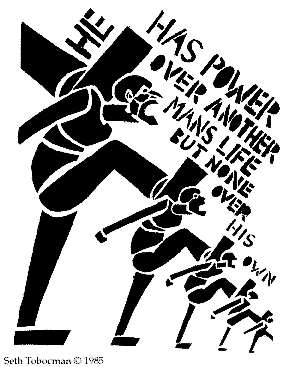
Through my life journey, from
my childhood to adulthood, I have constantly struggled with hierarchical
relationships in the Egyptian society. People have power over other people. At
home, my father has power over me, my mother, my sisters, and my brother, and
my brother has power over me and my sisters, and my older sisters have power
over me because I am the youngest one. At my schools, from elementary school to high school, teachers
have power over me and over other students in the class, and the school
administration has power over my teachers. At my college, professors have power
over me and other students. I learned that there is always a group has power
over a group- a group rules, controls and exploits other. I learned the world
is hierarchical, and I must learn my place in the hierarchy because there is no
alternative to either controlling or being controlled. This paper outlines my
story with “power over” relations that shaped my present.
Once I entered school, I found
the same hierarchical relations; I found hierarchical relations between me and
my childhood teachers. I remember my fifth and sixth-grade science teacher, Mr.
Ahmed: a short man with a thick, black mustache. Mr. Ahmed was surly; I am not
sure if he can smile and laughs like us. Mr. Ahmed also spanked his students. When
we were disobedient, we had to submit to several whacks with a stick on our
hands. Each student expected to undergo this whacks at some point in the school
year. I remember my fear of Mr. Ahmed’s class- fear not of the physical pain
but, as Kreisberg (1992) describes it, the pain of “the humiliation and
submission I would be forced to experience” (p. 4). In Mr. Ahmed’s class, there
was no doubt that he had a complete control in the classroom and had the right
to govern alone, to teach from his point of view, to discipline and punish, and
to evaluate students.
Mr. Ahmed’s classroom was
designed in a way gave him power over students; that is, his chair was placed
in a special spot of power, at the front of the room near the blackboard and
behind a wood desk while students’ chairs set in rows facing the teacher’s
desk. This classroom design is what Shor (1996) describes, “Like plants growing
toward sunlight, students are expected to sit in rows facing the lecturing
teacher at the front, the unilateral authority who tells them what things mean,
what to do, and how to become people who fit into society as it is” (p. 11). This classroom design helped Mr. Ahmed
assert his power to deliver a one-way curriculum dominated with his talk. Mr. Ahmed was talking all the class
time; it seems that, as Freire (2000) puts it, our minds were empty containers
and he was a depositor who was busy filling them with his narratives.
I also remember my English
teacher in my high school, Mr. Mansour.
I remember his insisting that we memorize verb tenses and requiring to
us to write sentences explain past time, present time and future time using the
same verb. I remember his frightening voice and his obvious pleasure at
students for not knowing the correct answers. He used the pressure to enforce
his rules and impose his expectation. Mr. Mansour’s curriculum was designed in
a way that moves toward directing the students, instead of engaging them, in a
way that depends on what he thinks “best” for the students. This one-way curriculum silenced me. It
sent me a message that I am inferior to the teacher who possesses knowledge;
therefore, he can do education for me as he sees it. As a result, I have not a
say in what I learn; I have not the right to decide what I need to learn or how
I might do it. Thus, as Taliaferro-Baszile (2010) describes it, my teachers’
inner eyes became my inner eyes and “yet these distort and refract much like a
funhouse mirror” (p. 489).
At the college I graduated from, professors' power over students was more obvious than school
teachers' power. I remember Dr. Yousef insisting that students raise their hands
whenever they want to speak and wait until he decides who should speak and in what
order. I remember when one of my colleagues spoke without getting his
permission to talk; Dr. Yousef was so angry that this student interrupted him
and he asked the student to leave the class and meet him in his office after
the lecture. Dr. Yousef was the only one who can decide what and how students
should learn; as a result, the curriculum was fixed and ready-made reflects his
view, not the views of me and other students in the class. I was never asked to
relate my personal experiences, interests, needs, speech, and perceptions to
the course of study. I do not remember that he asked me or other students about
what we already know about the topic, what we know independently of the
classroom, or how we think in the context of our daily lives.
It seems that what I study at
the college and my personal experiences are in different directions and they
never meet. Ignoring my experiences conveys to me
the insignificance of my voice. Therefore, I felt that the curriculum was
something out there did not belong to me; as a result, I found a hard time
understanding what I was being taught. That is, as Slattery (2006) explains,
“in order to understand knowledge, I must experience intimacy. The knower cannot
be separated from the known, and meaning cannot be separated from the context
that gives rise to the meaningful experience” (p. 295). Therefore, I was always wondering “Why
do I learn this?” “Why am I doing this?” or “What is the benefit of studying
this?” I could not realize the importance and the benefits of what I study
because there is no clear relationship between what I study in the classroom
and my world outside the classroom.
Although my struggle with
power over relationships within Egyptian schools and college, I find that I
treat my college-level students with the same power over relations, as my
teachers treated me. From my previous experiences with teacher treatment to
his/her students, I came to believe that “the teacher”, the “knower”, should
have power in the classroom in order to be able to control students and
maintain the discipline in the classroom. As a result, I intent to have complete power in my
classroom. I am the one who decides
the content students learn in the course, who determines assignments and tests through
which the material will be mastered, who grades the students, who controls and
regulates the flow of communication, deciding who gets the opportunity to
speak, when, and for how long, and who decides the classroom rules. Overall, I
am the one who makes all (or even most) of the important decisions about
learning for students, and students have not the rights to discuss these
decisions with me. For example, as
soon as I enter the classroom, I close the classroom door and do not permit any
late student to attend the lecture. Students should raise their hand if they
want to speak and wait until I call on them. I do not allow students to discuss
any issue or concern outside the topic that I want to lecture about. Students
are not permitted under any condition to call me by my first name even if they
are older than me.
My treatment to my
college-level students is a result of years of hierarchical relationships I
live in and with to the degree that they become part of my identity. Grumet
(1989) argues, “What we know becomes incorporated into our identities. It is
connected to what we can do and who we are” (p. 14). Also, Pinar (1975) argues,
“The present … becomes an acting out of the past, the superimposition of past
issues and situations and persons onto the present” (p. 22). From my childhood
and adulthood experiences, I grew to believe that the world is hierarchical and
I have to find out my place in the hierarchy, to control or being controlled;
therefore, I chose to control. As a result, I taught and treated my student by
the same way I was taught and treated when I was a student because I did not
another way. Grumet (1989) argues, “Knowledge is a symbol for our experience in
the world. What we know is connected to what we can do” (p. 16).
These relationships of power,
where school teachers and college professors have power over their students,
are not unsystematically and randomly developed. Rather, they reflect
predominant norms, values, and beliefs of a society (Kreisberg, 1992). Noddings
(2009) argues, “Educational aims always reflect the aims-explicit or implicit-
of the political society in which they are developed” (p. 434). Also, Shor
(1996) emphasizes that these power problems “are social and historical, not
personal peculiarities; that is, they already exist in class before the
teacher’s introduction of the syllabus, before the presentation of formal
academic subject matter, before the teacher utters a signal word, because
education is a social activity formed within the cultural conflicts in society
at large” (p. 17). Thus, the Egyptian teacher power over students reflects
values and beliefs exist in the Egyptian society- a society that has suffered
many years of colonization. Being a colonized country for many years, Egypt and
its people are shaped by and reflect legacies of colonization. Asher (2010)
argues, “While not all of us may have experienced colonialism/imperialist expansion,
I argue that we all implicated in and affected by its effect-the fact of
colonization” (p. 396). That is, “colonization – the physical and psychic
occupation and control of a people, a place, a person- happens at the
individual and systemic levels and that the colonized internalize the
colonizer” (p. 395). Thus, Egypt is affected by the colonization, and its
people, including myself, and its institutions internalize the colonized structure,
where some have power over other.
This was my story with power over relationships, with my school teachers and then with my college teachers, which affected
my present relationship with my students. Conceptualizing my past and my
present enables me to envision new possibilities to democratic teacher-student
relationships, possibilities to mutual authority between teacher and students
where students decide aspects of their learning, and possibilities to learning,
not knowledge transfer, occurs in a dialogic form. In particular,
conceptualizing my past, my present, and my future enables me to see the
possibility and necessity to change my relationship with my students; that is
as Todd (2003) argues, “our commitment to our students involves our capacity to
be altered” (as cited in Springgay & Freedman, 2010, p. 237).
I dream of democratic teacher-student relationships where both teacher and students learn from each other. Freire (2000) argues, “Education must begin with the solution of the teacher-student contradiction, by reconciling the poles of the contradiction so that both are simultaneously teachers and students” (p. 72). To resolve the teacher-student contradiction, the relationship between teacher and students should be a horizontal relationship-“A with B” relation- fed by love, humility, hope, faith and trust, instead of a vertical relationship- “A over B” relation- which “lacks love, is therefore acritical, and cannot create a critical attitude” (Freire, 1973, p. 46). That is, although the fact that the teacher clearly has knowledge that the students do not have, students also have knowledge that the teacher does not have- knowledge about their everyday lives. Therefore, in teaching the students, the teacher necessarily must reconstruct his/her own knowledge and thus join the students in the act of learning. Therefore, a teacher should accept that s/he does not know everything, and students should recognize that they are not ignorant of everything.
Thursday, October 17, 2013
A Practice for Building Online Learning Communities

In the following,
I discuss the processes I use in one of my online course (EDUC 518) in order to
build online learning communities. EDUC 518, Technology and Pedagogy, is a fully online course in an Educational Learning Technologies’
master’s program at a medium-sized university in the U.S. Southwest.
Building Community From the First Day
of the Class
In
my online course, I provide activities that assist students to connect with
peers and to build relationships from the beginning of the course. The first
assignment asks students to introduce themselves to their classmates with the
purpose of helping students find others with whom they can build a
collaborative relationship. I find
that the introductory activity is quite successful in assisting students to
develop collegial relationships and to help them to get to know each other
early on in the course. The introductory activity effectively enables students
to locate compatible colleagues with similar interests to support further
collaborative work on assignments and projects. In my online courses, the
introductory activity does not require anything more than the ability to
express knowledge of self. In the introductory activity, I ask students to
provide information about 1) something personal (married, kids, hometown,
hobbies, etc.), 2) something about their professional and educational
background, and 3) favorite video, favorite song, favorite spoken piece,
favorite website, and/or favorite photo/image; thus expanding the range of
personal information to be shared with the class. Students are also required to
respond to each other.
Using Web
2.0 Technologies
I extensively use Web 2.0
tools in my online course to foster students’ sense of community. In the first
unit, I ask students to create a Skype account, a Gmail account, and a Twitter
account and send me a message using these tools. The purpose is to help
students be familiar with these tools before they actually use them during the
semester. In the next unit, I use Twitter to facilitate class discussion. I ask
students to read about the week’s topic, and then tweet about what they learned
from that week’s reading assignment using the course hashtag #EDUC518. Students
are also required to reply to at least two other students’ tweets.
Additionally,
students are required to create blogs through Blogger and engage in
conversations through these blogs. The students are to blog in reaction to a
prompt. Then they are required to read and comment on each other’s blogs. The
course assigns five blogs. Rubrics are used to grade students’ blogs and grade
their feedback to each other. In another unit, students are asked to
collaborate using Skype and Google Doc to create a lesson plan. Besides, at the
beginning of each unit, I use Screencast-o-matic to give students an overview
of the unit and to increase students’ sense of belonging in the course. I find
that using Web 2.0 technologies help connect students through these various forms of
communication. Particularly, the use of blogs and Twitter helped to build a
learning community through dialogue and conversation among students.
Using Threaded Discussions
Threaded
discussions are used to encourage students’ sense of community. The course uses Canvas’s threaded discussion feature to conduct
asynchronous discussions. There are three discussion forums in the course. In
each discussion forum, I post three questions, each as a separate thread.
Students are expected to respond to each of the three threads and then react to
the responses of a minimum of two peers. By replying to each other’s
posts, students have the opportunity to work collaboratively with each other to
expand and deepen their learning experience, test out new ideas by sharing them
with their classmates, and receive critical and constructive feedback. Students
are also required to include references and citations to relevant articles that
support their argument. The discussion activities have clear
instructions about how much time is involved in participation in the
discussion. The discussions are graded using a rubric that assigns points
according to the level of engagement.
Additionally,
there is an ungraded discussion, titled “Get or Give Help Here”, where students
are encouraged to post any questions they may have and to help each other. This
discussion area became a gathering place where students could engage with each
other outside of the regular or required discussion assignments. The focus here
is to provide a safe place for students to connect without having to feel like
they are being evaluated.
Pairing Students in Activities
Once
students have gotten to know one another on a social level through the
introductory activity, Canvas’s threaded
discussions, and blog discussions, peer partnership activities are utilized. The
purpose of pairing learners for an activity is to help them to develop a sense
of community and to prepare them for team activities. Around the midterm, I
design a Dyad activity in which students are asked to find a partner to work
together. In
the Dyad activity, students are asked to work with a partner of their choice to
investigate a specific topic and use the results of their interaction to
prepare a joint posting to the discussion board. Two weeks
before the Dyad activity starts, students are asked to select their partners in
order to give them enough time so that the selection process can occur. Student
evaluation in the Dyad activity is based on: 1) the quality of the discussion which
is assessed using a discussion rubric, 2) peer evaluation using a rubric, and 3) reply to at least 2 other students' posts.
Encouraging Collaborative Activities
After
a peer partnership activity has been completed, students are asked to create
their own collaborative groups. The students who worked on the Dyad activity have
the freedom to combine their small groups into larger teams for collaborative
activities or to create new groups. Students are asked to create their groups two
weeks before the collaborative activity will start in order to give students
enough time so that the selection process can occur. Additionally, before
working in the collaborative activity, students are provided with a written explanation
of the importance of the collaborative work as well as instructions for
completing it. Students are also given guidance to establish
group polices and procedures and suggestions of collaborative technology tools that
can be used (See Figure 4). Before working in the
group activity, the students are asked to use a group contact template
suggested by Conrad and Donaldson (2004). This document suggests
that the group members specify the primary method of and frequency of
communication, make contingency plans for emergencies, and decide whether or
not to select a group leader. The contract allows group members to create a
group management plan for the semester’s activities. Additionally, before
working in the collaborative activity, students are asked to participate in a
practice exercise for group development. With this class, a graded activity,
titled The Critical Insight Activity, is used. The purpose is to help students
to practice their group polices and procedures and to practice collaborative
technology tools. Student grading in the collaborative activity is based on: 1)
the quality of the content that is graded using a rubric and 2) peer evaluation
in which students are asked to assess each other’s performance on the team
using a rubric.
During
the group work, I offer suggestions throughout the creation process, act as a
mediator when needed in various groups throughout the semester, and have the final
word when problems arose. The contracts were effective in that all groups
completed a product or project according to the specifications given in the
syllabus. Groups typically handled their problems according to their contracts
before asking me for help in this area. Most groups
followed the contracts they created without
difficulty, but when difficulties arose that the group could not handle, the
members sought help from me. The group
contracts helped to build a subset of the community (small groups) within the
larger community (the class). In addition, the contracts helped to facilitate
group interaction and cohesion by subtly forcing group members to look at the
various personalities, skills, and workloads involved in their group.
Conclusion
The literature provides evidence that students’
sense of community is critical to student success in online
environments. Thus, building
and sustaining strong learning communities should be an essential dynamic in
virtual classrooms. We
educators should intentionally work to build and foster learning communities
among students in online courses. A review of the literature suggests that
instructors teaching at a distance may promote sense of community by 1)
building a learning community from the first day of the class, 2) using Web 2.0
technologies 3) using threaded discussions, 4) pairing students in activities
before collaborative work, and 5) encouraging collaborative activities. In my
online course, I intentionally draw on these processes in order to build
learning communities among my students. I need to continue to evaluate and
revise these processes in order to effectively build and sustain learning
communities in my online courses. Yet, building online learning communities is
a difficult task. However, doing so is an integral step for improving learning
and teaching in online environments, and thus work in this area should
continue.
Mariam Abdelmalak's Blog: The Process of Building Learning Communities in an...
Mariam Abdelmalak's Blog: The Process of Building Learning Communities in an...: Online courses are different than face-to-face courses at many aspects. As we can see in this image, in the face to face class, the...
The Process of Building Learning Communities in an Online Course
Online courses are different than face-to-face courses at many aspects. As we can see in this image, in the face to face class, the learner is present and the instructor can read the body language, make eye contact, identify students’ expressions– read the visual cues. the instructor can recognize when learners are bored, lost focus.

This is not so easy to do online. Students in online classes work at computers miles apart at varying times of the day, resulting in a feeling of isolation.

Community building is widely
accepted as a sense rather than a tangible entity (Wiesenfeld, 1996). Sense of
community has been defined as “a sense that members have a belonging, members matter
to one another and to the group and a shared faith that member's needs will be
met through their commitment to be together” (McMillan & Chavis, 1986, p.
9). The literature highlights many strategies and processes to help online
students build a sense of community. The following section reviews the
literature that puts the foundation for the processes I use in my online course
to build a sense of community among students.
In order to help
students to develop a sense of community, we educators need to develop
authentic and effective ways to assist them to connect with peers and to build
relationships from the beginning of the online course. It has been argued
(Dixon, Crooks & Henry, 2006; Palloff & Pratt, 2005; Conrad &
Donaldson, 2004) that instructors must develop ways to create a community of
learners early on in online environments. Additionally, Palloff and Pratt
(2007) assert the necessity of establishing “human-to-human contact before the
interaction involved with the course content begins, a means by which presence
can be established (p. 12). To establish human contact between students before their
participation in the course content, the use of an introductory activity is
recommended. According to Ebersole (2003), creating discussion areas for
students to use for initial introductions is one of community building
activities that help reduce the feeling of isolation and increase social
presence from the beginning of the online course. Introductory postings provide
opportunities for students to present themselves to their classmates and begin
the interaction with one another in a nonthreatening manner (Conrad &
Donaldson, 2004).
Much of
the writing on the community-based approach to online learning—that are related
to developing and sustaining it—describes the use of asynchronous threaded
discussions in response to instructor discussion questions as the main means by
which this community is developed (Cazden, 1988; Buckingham,
2003; Palloff & Pratt, 2007; Clark & Kinne, 2012). In online learning,
these discussions have become a common feature for structuring learning
experiences through personalizing and humanizing the course (Palloff &
Pratt, 2007). Many researchers who work in online environments agree that asynchronous
discussions are places where students learn from each other (Carr-Chellman
& Duchastell, 2000), provide accessibility to each other’s thinking (Peterson
& Slotta, 2009), and enable students to participate even more than in live
classroom discussions (Hirumi & Bermudez, 1996; Paloff & Pratt, 1999;
2007). Additionally, Ebersole (2003) recommends
creating spaces for student-to-student interaction where students can engage
with each other outside of the regular or required discussion assignments.
These spaces, as Ebersole explains, contribute to an online learner’s sense of
connectedness with other students and contribute to overall level of
satisfaction with the course.
Collaborative
activity is also critical to help develop that sense of community, thus
enabling the creation of an environment in which further collaborative work can
happen (Palloff & Pratt, 2005; 2007). For helping students to work
effectively in activities that involve online collaboration and reduce
resistance to the activity, Palloff and Pratt (2005) suggest providing students
with an explanation of the importance of and reasons for including collaborative
activity in an online course. Dell (2004) also stresses the importance of
giving clear instructions and guidelines regarding not only the assignments,
but also the method and tools of communication that will be used. Dell also
suggests designing evaluation criteria to include peer evaluation. He argues
that this peer evaluation rewards extraordinary team members while at the same
time appropriately evaluates non-contributing members. Additionally, the use of
an agreement or contact among group members has been noted to be of significant
importance in promoting learner satisfaction with collaborative learning
experiences online (Murphy, Mahoney & Harvell, 2000; Doran, 2001). The contact
outlines how the group members will interact together, determines the roles
each member will play in the collaborative activity, and creates benchmarks and
deadlines for the completion and submission of collaborative work (Palloff &
Pratt, 2005). Furthermore, it is advised to pair learners for an activity as a
way to build a bridge to collaborative group work later in the course and help
learners to develop an appreciation of collaboration (Conrad
& Donaldson, 2004; Palloff & Pratt, 2005).
Web 2.0 technologies
can play an important role in the development of a learning community among
students in online courses (Kearns &Frey, 2010; Palloff & Pratt, 2009; Gunawardena
et al., 2009). Web 2.0 is the term used to describe a variety of web sites and
applications that allow anyone to create and share online information or
material they have created. A key element of the technology is that it allows people
to create, share, collaborate, and communicate. There is a number of different
types of Web 2.0 applications including wikis, blogs, and social networking. According
to Palloff and Pratt (2009), Web 2.0 technologies do have the ability to
enhance the development of community online and reduce the isolation and
distance felt by students in online courses. Palloff and Pratt argue, relying
on any tool of Web 2.0 technologies to accomplish that task is a bit
shortsighted. However, the inclusion of a variety of means by which community
is developed in an online course can only serve to facilitate this task by
increasing the means and amount of communication possible between students as
well as between students and the instructor (Palloff & Pratt).
Reference
Buckingham, S. (2003). Perspectives on the
experience of the learning community through online discussion. Journal of Distance Education, 18(2),
74-91.
Carr-Chellman, A., & Duchastel, P. (2000). The ideal online course.
British Journal of Educational
Technology, 31(3), 229–241.
Cazden, C. (1988). Classroom
discourse: The language of teaching and learning. Portsmouth, NH: Heinemann.
Clarke, L., & Kinne, L. (2012). More than words: Investigating
the format of asynchronous discussions as threaded discussions or blogs. Journal of Digital Learning in Teacher
Education, 29(1), 4-13.
Conrad, R., & Donaldson, A. (2004). Engaging the online learners: Activities and resources for creative
instruction. USA: Jossey-Bass.
Dell, D. (2004). Philosophy
of online teaching. Capella University.
Dixon, J., Crooks, H., & Henry, K. (2006). Breaking the ice:
Supporting collaboration and the development of community online. Canadian Journal of Learning and Technology,
32(2), 1-14.
Doran, C. (2001). The effective use of learning groups in online
education. New Horizons in Adult
Education, 15(2). Retrieved May 6, 2004, from http://www.nova.edu/~aed/horizons/volume15n2.html.
Ebersole, S. (2003). Online
learning communities: Connecting with success. Retrieved September 20, 2012,
from http://bcis.pacificu.edu/journal/2003/09/ebersole.php
Hiltz, S.R. (1998). Collaborative learning in asynchronous
learning networks: Building learning communities. Orlando, Florida.
Hirumi, A., & Bermudez,
A.B. (1996). Interactivity, distance education, and instructional systems design
converge on the information superhighway. Journal
of Research on Computing in Education, 29(1), 1–16.
Kearns, L., & Frey, B.
(2010, July/August). Web 2.0 technologies and back channel communication in an
online learning community. TechTrends, 54(4),
41-51.
LaPadula, M. (2003). A
comprehensive look at online student support services for distance learners. The American Journal of Distance Education, 17(2),
119–128.
McMillan, D. W., & Chavis,
D. M. (1986). Sense of community: A definition and theory. Journal of Community Psychology, 14(1), 6 – 23.
Murphy, K., Mahoney, S.,
& Harvell, T. (2000). Role of contracts in enhancing community building in
Web courses. Educational Technology &
Society, 3(3), 409-421.
Palloff, R., & Pratt, K.
(1999). Building learning communities in
cyberspace: Effective strategies for the online classroom. San Francisco: Jossey-Bass.
Palloff, R., & Pratt, K.
(2005). Collaborating online: Learning
together in community. San Francisco: Jossey-Bass.
Palloff, R., & Pratt, K.
(2007). Building online learning
communities: Effective strategies for the virtual classroom. San Francisco:
Jossey-Bass.
Peterson, S. S., & Slotta,
J. (2009). Saying yes to online learning: A first-time experience teaching an
online graduate course in literacy education. Literacy Research and Instruction, 48, 120–136.
Rovai, A. P., Wighting, M.
J., & Lucking, R. (2004). The classroom and school community inventory:
Development, refinement, and validation of a self-report measure for educational
research. Internet and Higher Education,
7, 263–280.
Sadera, W., Robertson, J.,
Song, L., & Midon, M. N. (2009). The role of community in online learning
success. Journal of Online Learning and
Teaching, 5(2), 277–284.
Walker, J., Wasserman, S., &
Wellman, B. (1994). Statistical models for social support networks. In S.
Wasserman and J. Galaskiewicz (Eds.) Advances
in Social Network Analysis. (p. 53-78) Thousand Oaks, CA: Sage.
Wellman, B., & Gulia, M.
(1999). The network basis of social support: A network is more than the sum of
its ties. In B. Wellman (Ed.). Networks
in the Global Village. (p. 83-118) Boulder, CO.: Westview Press.
Subscribe to:
Posts (Atom)